
What Happens to My Gold if Platform Shuts Down?
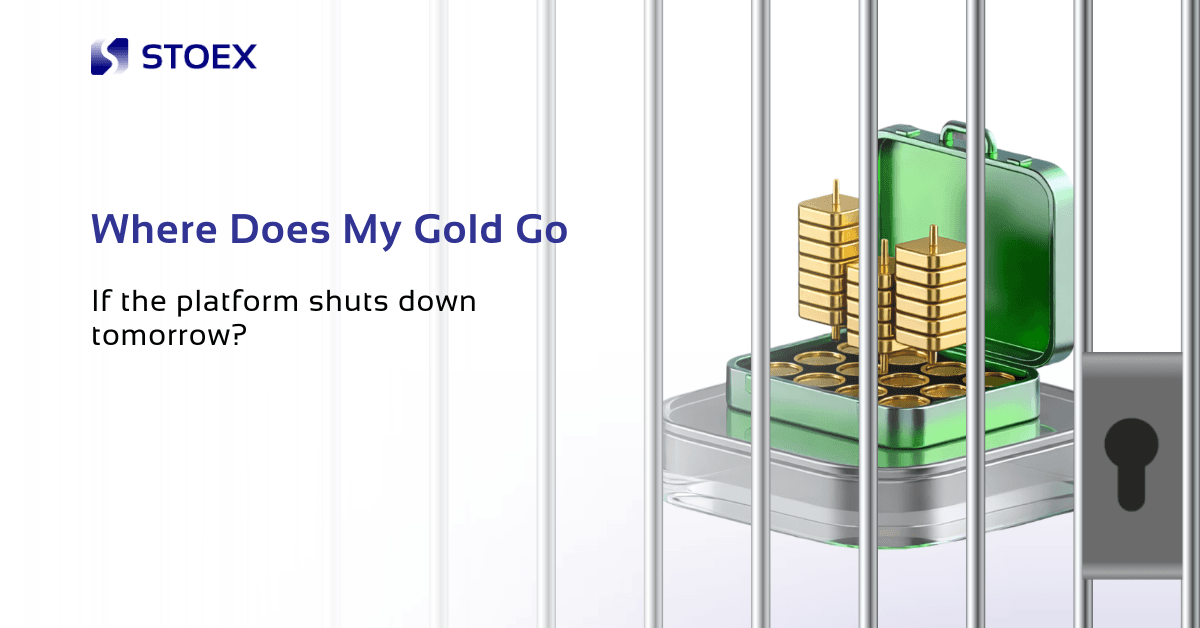
In India, gold is not just a part of your investment portfolio, and for millions of app-based investors today, “What happens to my gold if platform shuts down?” is the question redefining how we think about it. Gold here is inheritance, insurance, and emotion rolled into one, acting as both pride and financial safety net.
In India, gold is not just a part of your investment portfolio, and for millions of app-based investors today, “What happens to my gold if platform shuts down?” is the question redefining how we think about it. Gold here is inheritance, insurance, and emotion rolled into one, acting as both pride and financial safety net. For the younger generations, digital gold had become the pinnacle of convenience, until a SEBI warning in November 2025 made that question impossible to ignore.
Let’s go back in time a little. Gold is the safe-haven asset class for Indians, and since the advent of digital gold, investing has been as easy as ordering food. In 2025, the number of Indians buying gold through apps and online platforms exploded. UPI-based digital gold purchases rose 95.9% per cent in 2025, from 50.93 million transactions in January to 99.77 million in August.
However, in November 2025, SEBI made it plain that for digital gold, if your app shuts down, your investment may have no protection at all.
Panic ensued. A lot of financial advice was thrown around, and people started asking, “Is my platform safe?”
This question is wrong.
To learn how to verify gold investment in India, you need to ask another question.
“What happens to my gold if the platform shuts down?
How do I get it back?”
What Happens to My Gold If the Platform Shuts Down? The Question Most Investors Never Ask
The question, “What happens to my gold if platform shuts down,” is no longer theoretical. It sits at the intersection of two major trends in India:
- Rapid adoption of app-based investing
- Increasing regulatory scrutiny following the SEBI digital gold warning
India is one of the largest gold markets globally, with household holdings estimated at 34,000 tonnes. What’s changing is not the asset, but the format.
Digital platforms have introduced convenience, but also a new layer of digital gold platform risk India has not historically dealt with at scale.
And as the SEBI digital gold regulation 2025 clarification makes clear, this segment operates without the protections investors assume exist.
Brand reputation only tells you about today. It tells you nothing about the legal structure that determines what happens to your gold if things go wrong tomorrow.
Why SEBI’s Digital Gold Warning Changes Everything
Is digital gold safe after SEBI warning?
On November 8, 2025, the SEBI digital gold warning issued a formal public caution about gold products sold through fintech apps and online platforms. The language used is worth reading precisely:
- Such gold products are “neither notified as securities nor regulated as commodity derivatives”
- They “operate entirely outside the purview of SEBI”
- Investors are exposed to “counterparty and operational risks”
- “None of the investor protection mechanisms under securities market purview shall be available” for such investments
So in practical terms, in digital gold there is:
- No standardized gold custody framework enforced by regulators
- No mandatory gold vault audit disclosures
- No statutory investor protection mechanism
This distinction is what separates regulated instruments from gold investment without SEBI oversight. It directly determines what happens when a platform fails. In other words, it determines what happens to my gold if platform shuts down with no regulatory net to catch it.
The Structural Risk: What Happens to My Gold If Platform Shuts Down
To understand what this means in practice, compare it to what happens when something goes wrong with a mutual fund. When SEBI has jurisdiction, you get:
- Structured grievance redressal through the SEBI SCORES platform, mandatory disclosures, audited accounts, and the Stock Exchange Investor Protection Fund as a backstop
- A government-backed process that kicks in automatically if your mutual fund house shuts down. Someone is legally responsible for returning your money.
- The ability to file a complaint online and have an authority respond. No lawyer needed. The system does the work.
On the other hand, with unverified app-based gold, the recourse is limited to general civil contract law. You file your own lawsuit, bear the full burden of proof, and navigate a process substantially slower, more expensive, and far less certain.
There is no SEBI ombudsman. No formal grievance channel. No regulatory authority monitoring gold custody in India on your behalf.
The SEBI digital gold warning did not create new risk. It named something that was already there. This gives investors a better question, the one that actually reveals your counterparty risk in gold investment:“Can I prove my gold exists, right now, independent of this platform’s word?”
While SEBI does recommend investing in gold via regulated instruments like Gold ETFs, commodity derivatives, and EGRs (Electronic Gold Receipts), these are not suitable for every investor. Namely those who want physical gold, and cost-effective options.
So what’s the solution for these investors?
The 5 Questions That Tell You Whether Your Gold Is Really Yours
These are the questions the SEBI digital gold warning implicitly asks every investor to investigate, evaluating:
- custody
- auditability
- ownership clarity
- recovery mechanisms
- verification
They are the fastest way to assess gold investment proof of ownership in India in real-world terms.
Q1: Who actually holds my gold, the platform, or an independent trustee?
Why you should ask this: Most people assume the platform holds their gold. In truth, there are three distinct roles involved in the workings of digital gold:
- A Distributor (apps like PhonePe, Paytm)
- A Gold Provider (for example: MMTC-PAMP, SafeGold, Augmont)
- A Custodian/Vault Operator
The platform is just the app. The actual gold needs to sit somewhere physical, with someone independent of the platform responsible for it.
What you should demand:
Complete custodian transparency. If they’re simply claiming “Your gold is kept in secure vaults”, that is not good enough, and tells you nothing about who legally controls the gold. If the platform collapses, this gold may be treated as a company asset and creditors get paid before you do. That is exactly what happens to my gold if platform shuts down without an independent custodian holding it separately.
You have to ask more questions for a verifiable digital gold investment:
- Where is the vault?
- Is it insured?
- Up to what amount is my gold insured?
If you are not getting a satisfactory answer, reconsider the platform.
Q2: Can I see an independent audit of the vault?
Why you should ask this: Any platform can say your gold is fully backed. An audited gold vault is what proves it; an independent trustee for gold India must audit all holdings to ensure your investment is protected.
This essentially means a third-party auditing firm should go to the vault physically, and check the amount of gold kept against the records of investment. Once they verify that the right amount of gold is there, they issue a certificate with date, numbers, and their names.
Ensuring an audited gold vault is keeping your investment safe is the first step. However, there’s more to ask.
What you should demand:
Your platform of choice should not simply share a “We conducted an audit” statement. Ask more questions:
- Is the audit report itself public?
- How often do these audits happen? Once a year, once a quarter, or once a month?
- If the last audit happened in January and you want to check in June, would the certificate from six months ago tell you the current reality?
Again: reconsider if the answers given are vague.
Q3: Is my gold allocated to me specifically, or pooled with others?
Why you should ask this: This is the most critical question for gold investment proof of ownership in India. It determines whether you own gold or merely hold a claim on gold.
To understand the distinction, let’s get into what allocated gold means.
- “Allocating” gold ensures that the vault owner is managing tangible pieces of gold that belong to you. Essentially, you are sure of the existence of your gold when it’s allocated.
- On the other hand, unallocated/pooled gold is like buying a stock. While you own a share in this pool of gold in the vault, it is a nonspecific allotment.
What you should demand:
Ask: Every gram of gold you buy, is it specifically allocated to you? If it is, you are the legal owner of identified gold and if the platform fails tomorrow, that gold would still belong to you.
Is your gold pooled, however? If it is, this means the platform legally owns the gold and you are a creditor. If they face financial trouble and cannot pay everyone, you join a queue.
Note that buying allocated gold brings an additional cost, as you are securing and preserving actual pieces of gold and may want to retrieve them in the future. On the other hand, unallocated gold brings better liquidity, as it’s about the same as selling a share of stock.
Q4: What Happens to My Gold If Platform Shuts Down, and How Do I Get It Back?
Why you should ask this: After the SEBI digital gold warning, there’s no room for ambiguity. No statutory recovery process is there for unregulated platforms. No regulator to call. No ombudsman to file with. No fund that steps in.
Knowing what happens to my gold if platform shuts down is not pessimism. It is basic due diligence.
What you should demand:
The platform should prove a clear answer to this question, and a step-by-step plan.
- You can ask support directly for the documented process to recover gold in case the platform stops operating. Ask for a specific clause in their terms.
- If there is no clear answer, it means your only recourse is a civil lawsuit. Do not wait to find out what happens to my gold if platform shuts down the hard way.
Long story short: If the platform cannot point to a plan, there’s an undeniable risk.
Q5: What Happens to My Gold If Platform Shuts Down and I Can’t Verify It Anywhere?
Why you should ask this: Knowing how to verify your gold investment in India is the final and most practical test of whether a platform is genuinely transparent, because your balance on an app is only as reliable as the app itself.
What you must demand:
Ask: can you use a third-party tool to verify your gold holding, through a public ledger? Platforms like Stoex are championing independently verifiable gold investment with insured custody.
If not this, you can verify a couple more things:
- Can you download a trustee-signed holding certificate? This way your proof of ownership exists outside the platform, and even if the app goes offline, you have a document.
- “Your holdings are visible in the app” is not good enough, as this makes your proof of ownership and the platform the same thing. If one goes down, so does the other.
Log into your current platform and try to download a holding statement or trustee certificate right now. Save it somewhere you control, not just the app. If you cannot find one, write to support and request it.
Already Invested? What Happens to My Gold If Platform Shuts Down. Here are 3 Things to Do Today
The SEBI digital gold warning is not a reason to panic. You can do these three things to alleviate the digital gold platform risk in India:

- Download every purchase receipt. Every transaction confirmation, every statement. If you ever need to demonstrate gold investment proof of ownership in India, documentation is your first line of defense.
- Find the latest independent audit report. Check the platform’s website, or write to support requesting an independent trustee certificate published by the custodian, not the app.
- Rebalance with structure in mind, not just interface. App-based gold works well for small-ticket purchases. For larger allocations, the kind that represent real household savings, choose based on what happens to my gold if platform shuts down, not just how easy it is to buy.
Before You Invest in Digital Gold (or Before You Stay Invested): A Quick Checklist for Your App
Now that you know to ask “What happens to my gold if platform shuts down”, here’s a simple checklist for verifiable digital gold investment. If a platform cannot clearly answer the following checklist, it is not lacking features. It is lacking structure.

At Stoex, these are treated as baseline requirements, not differentiators. The platform is built around verifiability as a core principle:

- 100% Gold-Backed
- Independently Verifiable
- Insured Custody
- Zero Locker Fees
Not as marketing claims, but as systems that can be externally checked. Because we believe gold investing should be trustless.
Buying Gold in India: The “Trustless” Way
The SEBI digital gold warning 2025 didn’t forbid gold purchase. It simply said, the wrapper matters.
In India, gold holdings are built over generations by people who trusted it precisely because it was real, tangible, and theirs. The shift to apps made gold more accessible. But accessibility without a verifiable digital gold investment structure is not progress.
What happens to my gold if platform shuts down should not be a question you find the answer to after it has happened. It is a question you ask today, before you invest a single rupee more.
Once you have a clear answer, your gold is yours. If you don’t, well, now you know what to go and get!
If you’d like to see what verifiable digital gold investment looks like in practice, the Verify My Gold dashboard is open to everyone. No promises, no commitment: just the full picture, the trustless way.

Stay Updated with STOEX Insights
Get the latest insights on digital gold, trusteeship, tokenization, and wealth infrastructure directly in your inbox.